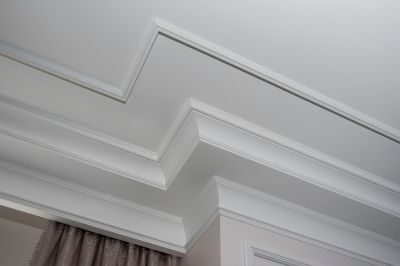
Interior Trim Staining in Wilmington, NC
Interior trim staining services involve applying a stain finish to woodwork such as baseboards, crown molding, door and window casings, and other decorative trim elements. This process enhances the natural beauty of the wood grain, providing a rich, uniform appearance that complements various interior styles. Property owners often request this service to update the look of existing trim, match new woodwork to older features, or restore the original charm of a home’s interior after wear and fading over time. Projects can range from small touch-ups to extensive renovations that involve staining all visible trim throughout a home or specific rooms.
Before requesting interior trim staining, property owners typically want to understand the types of wood and finishes suitable for their space, as well as the expected results and maintenance requirements. It’s also helpful to consider the current condition of the wood, including any existing finishes or damage, to determine if additional preparation is needed. Clarifying the desired color tone, gloss level, and overall aesthetic can ensure the final appearance aligns with personal preferences and interior design goals. Proper communication about these details can help achieve a cohesive and polished look for interior woodwork.
Many property owners in Wilmington, NC look into Interior Trim Staining for repairs, replacements, upgrades, and appearance-related improvements.
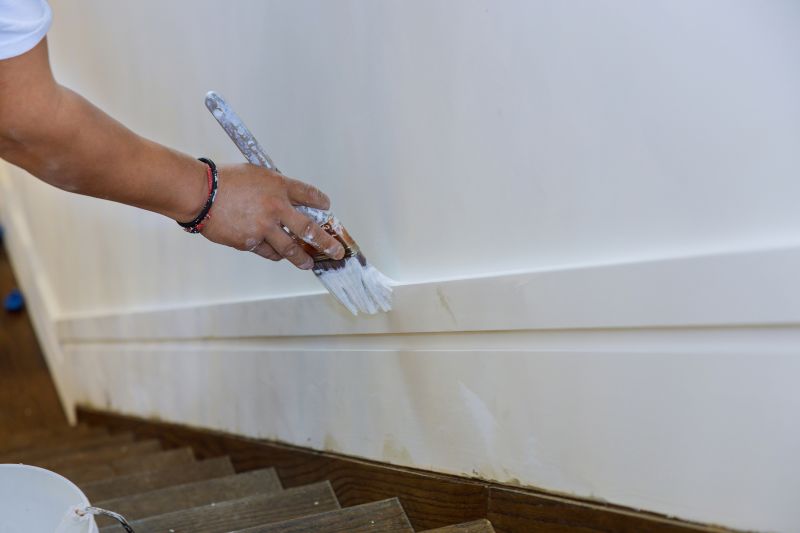
Enhancing Interior Woodwork
Staining adds richness and depth to trim, molding, and built-ins in wilmington homes.
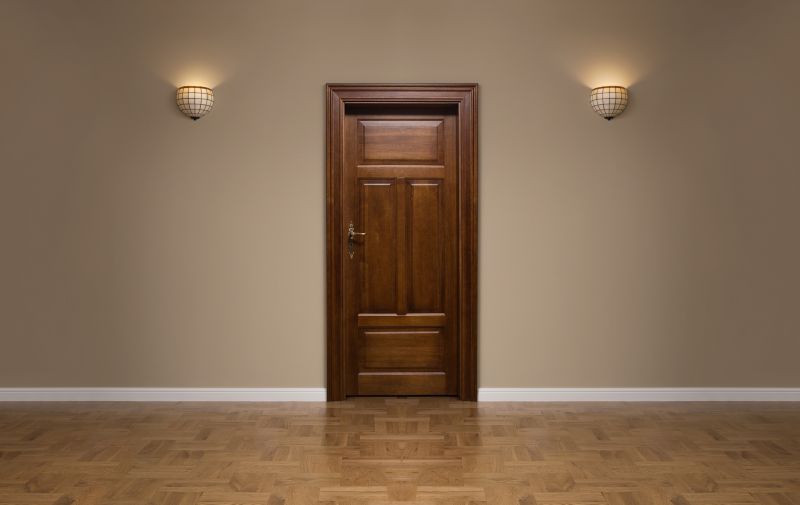
Custom Color Finishes
Choose from a variety of stain shades to complement your interior decor and personal style.
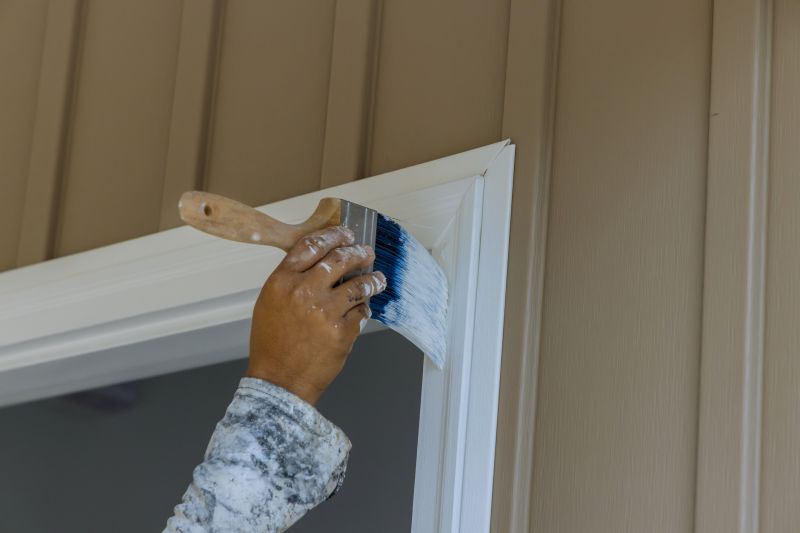
Restoring And Protecting Surfaces
Proper staining can rejuvenate worn wood and provide long-lasting protection for interior trim.
Interior Trim Staining in Wilmington, NC
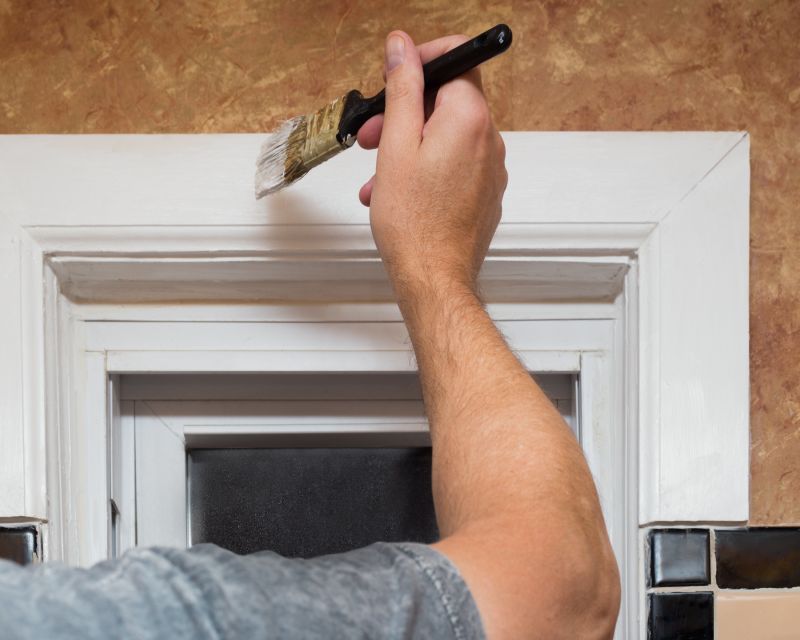
Interior trim staining services involve applying a stain finish to woodwork such as baseboards, crown molding, door and window casings, and other decorative trim elements. This process enhances the natural beauty of the wood grain, providing a rich, uniform appearance that complements various interior styles. Property owners often request this service to update the look of existing trim, match new woodwork to older features, or restore the original charm of a home’s interior after wear and fading over time. Projects can range from small touch-ups to extensive renovations that involve staining all visible trim throughout a home or specific rooms.
Before requesting interior trim staining, property owners typically want to understand the types of wood and finishes suitable for their space, as well as the expected results and maintenance requirements. It’s also helpful to consider the current condition of the wood, including any existing finishes or damage, to determine if additional preparation is needed. Clarifying the desired color tone, gloss level, and overall aesthetic can ensure the final appearance aligns with personal preferences and interior design goals. Proper communication about these details can help achieve a cohesive and polished look for interior woodwork.
Many property owners in Wilmington, NC look into Interior Trim Staining for repairs, replacements, upgrades, and appearance-related improvements.
Common Interior Trim Staining Jobs
Interior trim staining - restores and enhances the appearance of woodwork throughout the home.
Door and window casings - refreshes stained or faded wood trim around doors and windows.
Crown molding - updates the finish of decorative moldings to match current decor.
Baseboards and wainscoting - improves the look of lower wall paneling and trim details.
Built-in shelving and cabinetry - provides a uniform, polished finish for custom wood features.
Staircase woodwork - revitalizes handrails, balusters, and stair treads for a cohesive style.
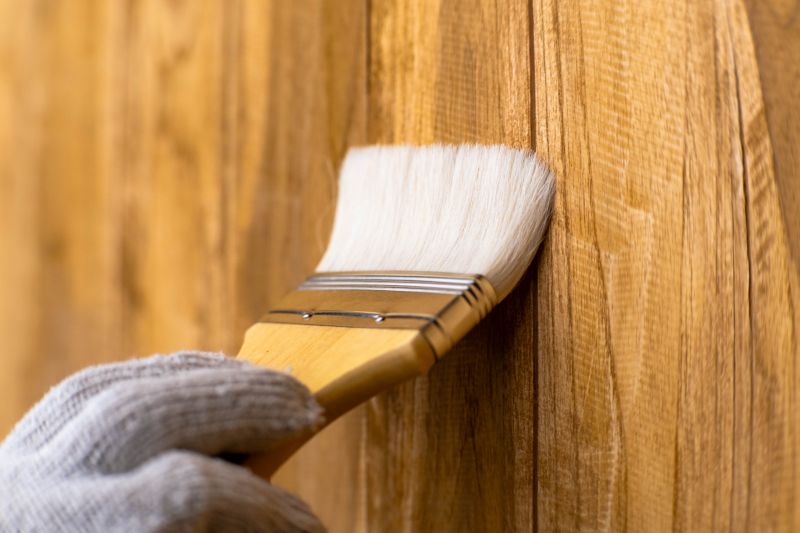
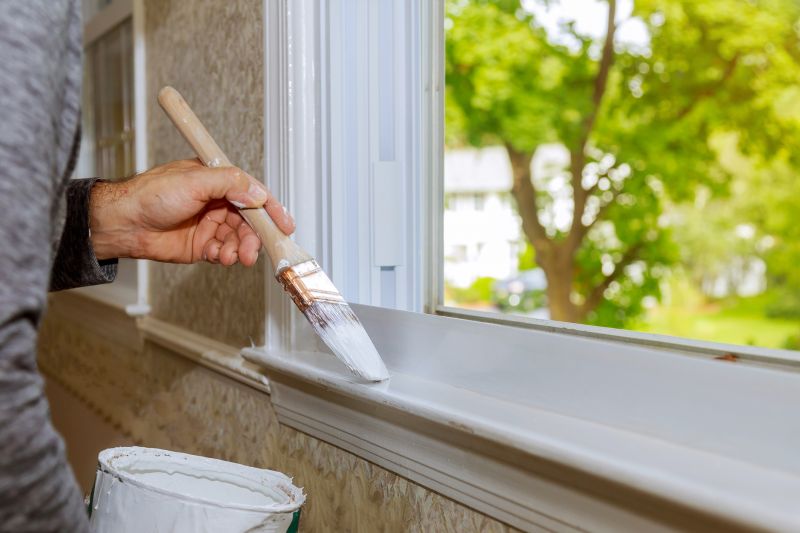
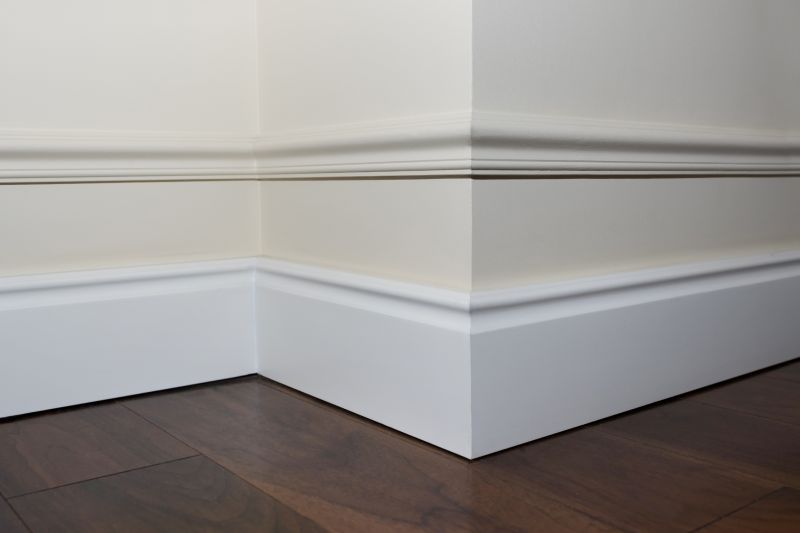
Interior Trim Staining Questions
What types of interior trim can be stained? Interior trim such as baseboards, crown molding, door and window casings can be stained to enhance their appearance and match existing decor.
Is staining suitable for all wood types? Staining works best on wood surfaces that are smooth and porous, allowing the stain to absorb evenly for a consistent finish.
Can staining hide imperfections in trim? While staining can enhance the look of wood, it may not fully conceal deep scratches or damage; surface preparation is important for the best results.
What finishes are available after staining? Stains can be paired with clear sealants or protective finishes such as polyurethane for added durability and a polished look.
Request Interior Trim Staining in Wilmington, NC
Use the quote form on this page to share the basics of your project and request more information for the type of work you need.